People don’t crave more information. They crave the feeling that something important is being held back-just for them. In a world where everything is posted, streamed, and shared in real time, the most powerful move isn’t posting more. It’s posting less. And making sure people notice what’s missing.
There’s a reason why some brands grow faster than others without running flashy ads. They don’t give everything away. They let curiosity do the work. Think about how a boutique hotel in Barcelona doesn’t list every room detail online. Or how a chef in Valencia closes reservations for months ahead without a website. People don’t just want access-they want permission to enter. And that’s what builds real value. You can see this in action with services like escort girl sex in london, where limited availability and selective visibility create a sense of urgency that mass listings never can.
What Mystery Actually Does to the Brain
Your brain is wired to fill in gaps. That’s not a bug-it’s a feature. When you see a teaser, a half-revealed image, or a delayed announcement, your mind starts working overtime to imagine the rest. This is called the Zeigarnik effect: unfinished tasks stick in memory longer than completed ones. Brands that understand this don’t just market products-they create mental loops.
Think about Apple’s product launches. They don’t show specs. They show silhouettes. They don’t explain features-they show emotions. The result? Millions of people sit up late at night waiting for a 10-minute video. That’s not marketing. That’s psychology.
Apply this to your own content. Instead of posting every behind-the-scenes clip, hold one back. Instead of answering every comment, let some sit unanswered for a few days. People will start asking. They’ll DM you. They’ll tell their friends. That’s organic reach powered by mystery, not algorithms.
Exclusivity Isn’t About Price-It’s About Access
You don’t need to charge $5,000 to make something feel exclusive. You just need to make it hard to get. That’s the difference between a sale and a secret.
Look at how some high-end fashion brands release collections only to a curated list of customers. No public drop. No website button. Just an email. The people who get it feel like insiders. The people who don’t feel like they’re missing out. Both reactions are profitable.
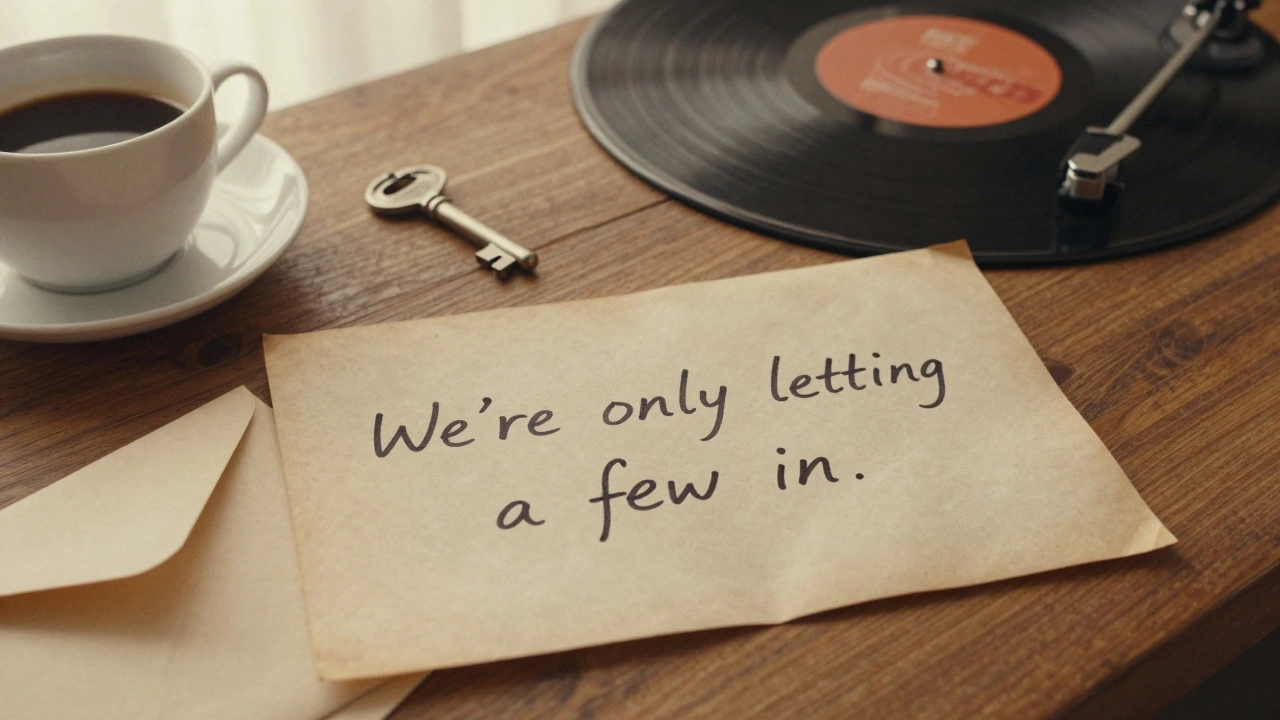
Try this: instead of opening your newsletter to everyone, make sign-ups invite-only. Or release your next product only to the first 50 people who reply to your last post. Don’t say ‘limited spots.’ Say ‘we’re only letting a few in.’ The wording changes everything.
Even in digital spaces, scarcity works. An online course that’s only available for 72 hours after launch sells out faster than one with lifetime access. Why? Because the brain treats time-based exclusivity as a signal of value-not just a sales tactic.
How to Build a Waiting List Without Being Pushy
Most people think building exclusivity means being rude or gatekeeping. It doesn’t. It means being intentional.
Start by identifying your core audience. Not everyone who likes you should get in. Not everyone who follows you deserves access. You’re not trying to grow your follower count-you’re trying to grow your inner circle.
Here’s how:
- Pause public announcements for one week. Just post stories, not feed posts.
- Reply to DMs with: “I’m only sharing this with a small group right now. Want in?”
- Create a private group (Slack, Discord, WhatsApp) and only invite people who’ve engaged with you for over 30 days.
- When you do launch something, send it only to that group first. Wait 48 hours before posting it anywhere else.
This isn’t about hiding. It’s about filtering. The people who stick around after the gate closes? They’re your real fans. And they’ll defend you louder than any ad ever could.
When Mystery Backfires (And How to Fix It)
Mystery isn’t magic. If you’re too vague, people assume you’re hiding something bad. If you’re too silent, they assume you’re gone.
There’s a sweet spot: enough to intrigue, not enough to frustrate. You need to give people a reason to keep watching.
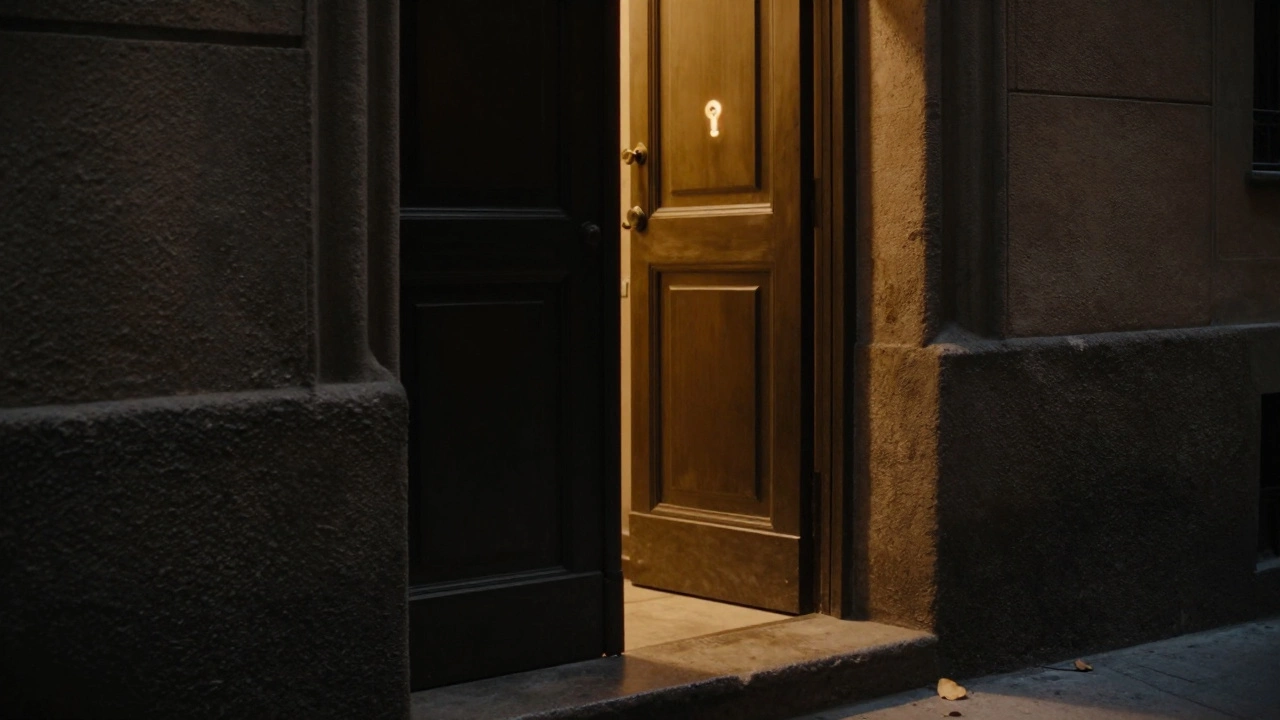
For example, if you’re launching a new service, don’t just say “Something big is coming.” Say: “We’re rebuilding how people find trusted connections in cities like London. First access goes to those who’ve been here since day one.” Then post a single photo of a door with a keyhole. No explanation. Just that.
People will start guessing. They’ll post theories. They’ll tag friends. That’s free marketing. But if you wait too long to reveal the answer, they’ll move on. That’s why timing matters more than secrecy.
Set a countdown. Send a teaser email. Give a hint that ties back to something you’ve already shared. Make the reveal feel earned-not random.
Why This Works Better Than Viral Content
Viral content is loud. It’s designed to be shared by everyone. That’s why it dies fast.
Exclusive content is quiet. It’s designed to be whispered. That’s why it lasts.
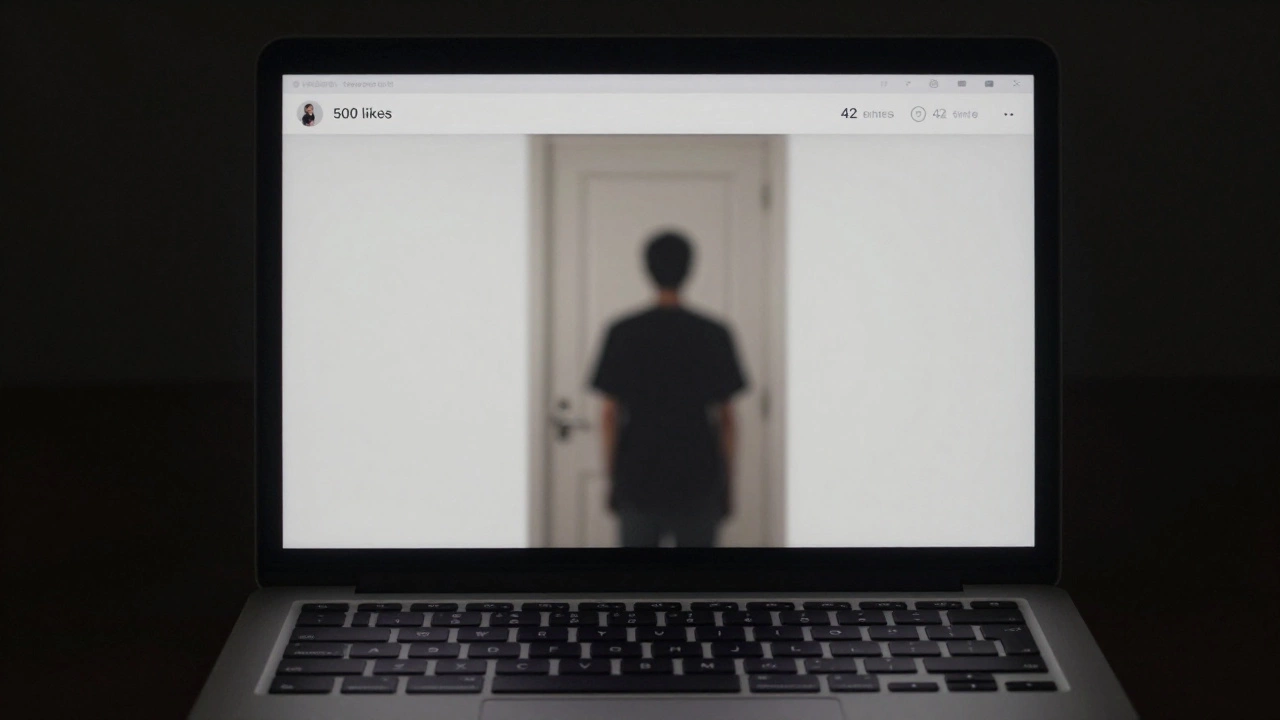
One post with 100,000 likes might get you a spike in followers. But a post that only 500 people see-and that those 500 people talk about for weeks-builds a community.
Think about how some artists release albums with no singles, no previews, no interviews. Just a release date. Fans spend weeks digging through lyrics, decoding album art, theorizing about meanings. That’s engagement that lasts months. Not days.
You don’t need to go that far. But you do need to stop chasing views. Start chasing loyalty.
How to Know When to Reveal
There’s no rule for how long to keep something hidden. But there’s a signal: when people start asking the same question three times, it’s time to answer.
Track your DMs. Check your comments. Listen to the questions people are asking that you haven’t answered yet. That’s your clue.
Also, watch for emotional energy. If people are excited but confused, they’re ready. If they’re frustrated or annoyed, you’ve waited too long.
Here’s a simple test: if you told someone what you’re hiding right now, would they say “I’ve been waiting for this”? If yes, reveal it. If they say “Wait, what?” you’re still too early.
And when you do reveal it? Don’t over-explain. Just show it. Let the people who’ve been waiting feel like they knew it all along.
Real Examples From Real Brands
Look at the rise of small skincare brands in Europe. Many don’t have websites. They post once a week on Instagram. No price list. No product descriptions. Just a photo and a DM to inquire. They sell out in hours. Why? Because the process feels personal. Like you’re getting something no one else can.
Or take the underground music scene in Berlin. DJs don’t post setlists. They post location hints. You need to follow five clues across three platforms to find the party. The people who make it feel like they cracked a code. And they’ll tell everyone they know.
Even in tech, this works. A startup in Madrid built a SaaS tool and didn’t launch it publicly for six months. They only invited 20 users. Those users became their loudest advocates. They wrote testimonials. They referred friends. They helped shape the product. That’s the power of exclusivity.
You don’t need millions of followers. You need 100 people who believe in you enough to fight for you.
And if you’re wondering how this ties into something like asian escort girl london, think about it: the most sought-after services aren’t the ones with the most ads. They’re the ones with the least visibility-and the most trust.
What Happens When You Break the Pattern
Once you build a reputation for mystery, people start expecting it. That’s when you have real power.
But if you suddenly post everything-every detail, every price, every photo-you break the spell. People feel misled. They wonder why they ever cared.
That’s why consistency matters. Don’t go from silent to oversharing. If you’ve built a quiet brand, stay quiet. Even when you grow.
Some brands make the mistake of thinking they need to go mainstream to succeed. They open up their DMs. They post daily. They run ads. And slowly, the magic fades.
Don’t be one of them.
There’s a quiet revolution happening online. It’s not about who has the most content. It’s about who has the most meaning. The people who hold back. The ones who make you work a little to get in. The ones who make you feel like you’ve been chosen.
That’s not a tactic. That’s a relationship.
And if you’re ready to build one, start by saying less. And making sure what you do say, matters.
Because sometimes, the most powerful thing you can do online… is not to post at all.
And if you’ve made it this far, you already know what that means.
Now go ahead. Stay quiet for a while. See what happens.
Just don’t forget to answer when they knock.
And if you’re ever looking for something specific in a city like escort girl east london, remember-sometimes the best things aren’t the ones you find. They’re the ones you’re allowed to find.